When John and Dorothy Knippenberg purchased several parcels of land across from their home to start a commercial nursery, they could not have imagined that those 30 acres would one day become a Level II accredited arboretum*: Laurelwood Arboretum.
The property already featured a stand of towering Eastern Hemlocks—trees that offered ideal protection from the hot afternoon sun and harsh winter winds for the masses of hybrid rhododendrons the Knippenbergs would soon plant. Over the years, they added a diverse array of trees, both native and exotic, to complement the stately Northern Red Oaks, glossy-leaved American Hollies, and graceful weeping Nootka Cypress already on site.
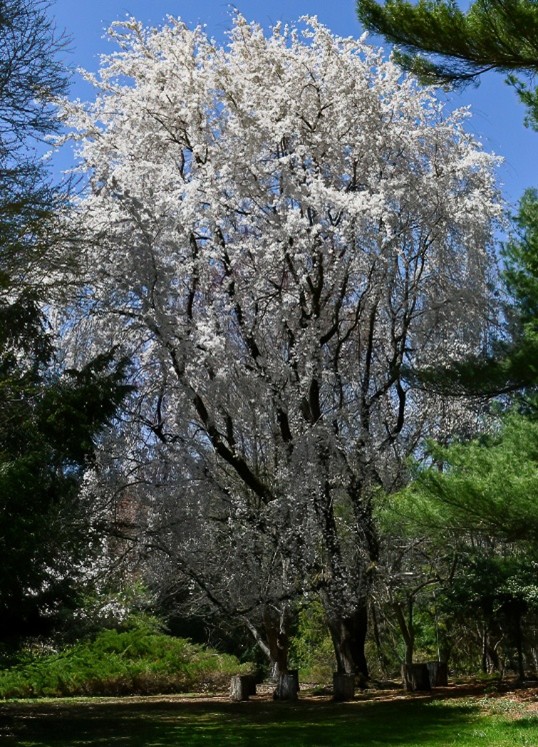
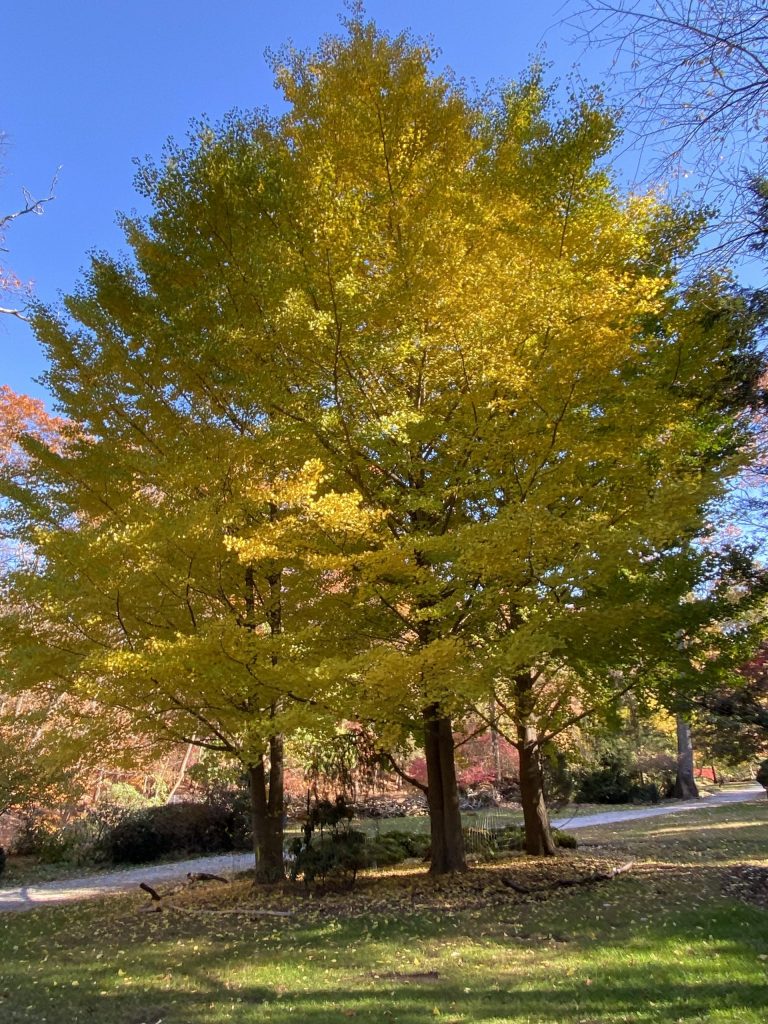
Their plantings brought new texture and color to the landscape: a resilient Cedar of Lebanon that stands tall through winter’s chill; Yoshino Cherries that burst into fragrant bloom each spring; an imposing Dawn Redwood that offers cool shade in summer; and Ginkgoes whose fan-shaped leaves create a spectacular display of autumn color.
'Yoshino Cherry'
'Ginkgo'
Today, Laurelwood Arboretum is home to more than 700 native and exotic trees representing over 100 species. It is a wonderland for all seasons—a living, ever changing laboratory where birds find refuge and the air itself is refreshed by the trees that stand sentinel along its meandering paths.
As Henry David Thoreau once wrote, “I took a walk in the woods and came out taller than the trees.” A walk through Laurelwood offers that same quiet transformation, a chance to be uplifted by nature’s beauty and inspired by its resilience.
Come walk our trails and experience the wonder for yourself.
*Laurelwood Arboretum is accredited by the ArbNet Arboretum Accreditation Program in recognition of its professional standards and contributions to education and conservation. Level II accreditation signifies compliance with criteria such as maintaining more than 100 species of trees and woody plants, upholding a defined collections policy, and offering educational programs related to trees.